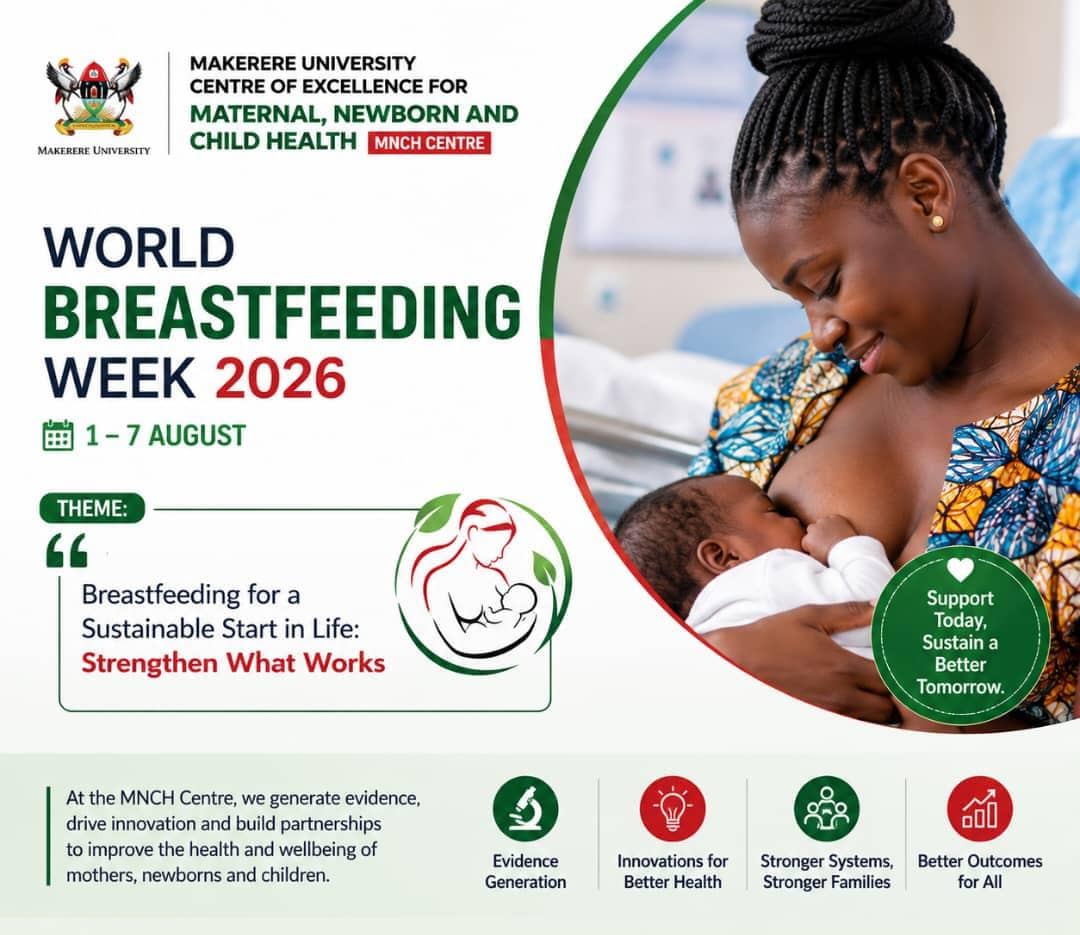
Every August, the world comes together to mark World Breastfeeding Week, a global campaign that highlights the importance of breastfeeding in giving children a healthy and sustainable start in life.
Breastfeeding is one of the most effective ways to support the health, growth and development of children, while also contributing to improved maternal, newborn and child health outcomes.
For World Breastfeeding Week 2026, the World Health Organization is calling on governments, health systems, workplaces, communities, civil society organisations and families to strengthen what works by investing in proven approaches that help mothers start and continue breastfeeding.
The theme, “Breastfeeding for a sustainable start in life: strengthen what works,” focuses on tracking progress, learning from successful experiences and scaling up interventions that have been shown to improve breastfeeding outcomes.
What works to improve breastfeeding outcomes
According to the WHO, several evidence-based approaches have demonstrated impact in supporting breastfeeding
Skilled Infant and Young Child Feeding (IYCF) Counselling
When mothers and families receive timely and quality breastfeeding support, they are more likely to practise exclusive breastfeeding. A systematic review of 16 studies found that counselling delivered through health facilities, communities and households increased exclusive breastfeeding rates by 58%.
Baby-Friendly Hospital Initiative (BFHI)
Health facilities provide an important opportunity to support mothers from the beginning of their breastfeeding journey. Studies involving 15,096 newborns found that implementing the Ten Steps to Successful Breastfeeding increased exclusive breastfeeding at six months by 45% and continued breastfeeding by 26%.
Communication and Community Engagement
Information and support from communities can influence breastfeeding practices. Evidence from a systematic review of 16 studies showed that mass media interventions combined with counselling and community mobilisation increased exclusive breastfeeding rates by 17%.
Supportive Policies and Workplaces
Mothers need supportive environments to continue breastfeeding. Countries with legislation aligned with the International Code of Marketing of Breast-milk Substitutes reported higher exclusive breastfeeding rates (54% compared with 24% in countries without legal measures). Paid maternity leave has also been associated with a 52% increase in exclusive breastfeeding.
Everyone has a role in strengthening what works
Breastfeeding is not only a mother’s responsibility. Successful breastfeeding requires support from families, communities, health workers, health facilities, employers and policymakers.
Health workers can support mothers through skilled counselling, encouragement and accurate information.
Health facilities can strengthen breastfeeding-friendly practices and ensure mothers and newborns receive the support they need from the start.
Governments and policymakers can create enabling environments through policies that protect and promote breastfeeding.
Workplaces can support breastfeeding mothers through practical measures that allow them to continue breastfeeding after returning to work.
Families and communities can provide encouragement, reduce barriers and create supportive spaces where mothers feel confident to breastfeed.
As we celebrate World Breastfeeding Week 2026, the call is Strengthen what works. Support every mother. Give every child a sustainable start in life.
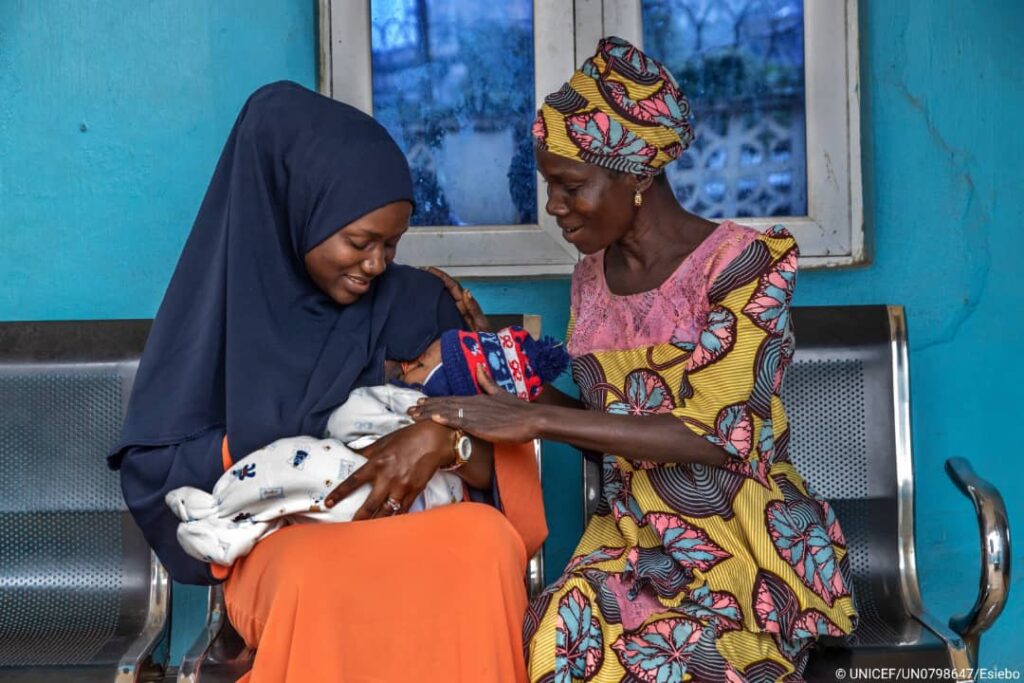
How Uganda’s First Human Milk Bank Transformed Neonatal Care; A Life-Saving Breastfeeding Innovation
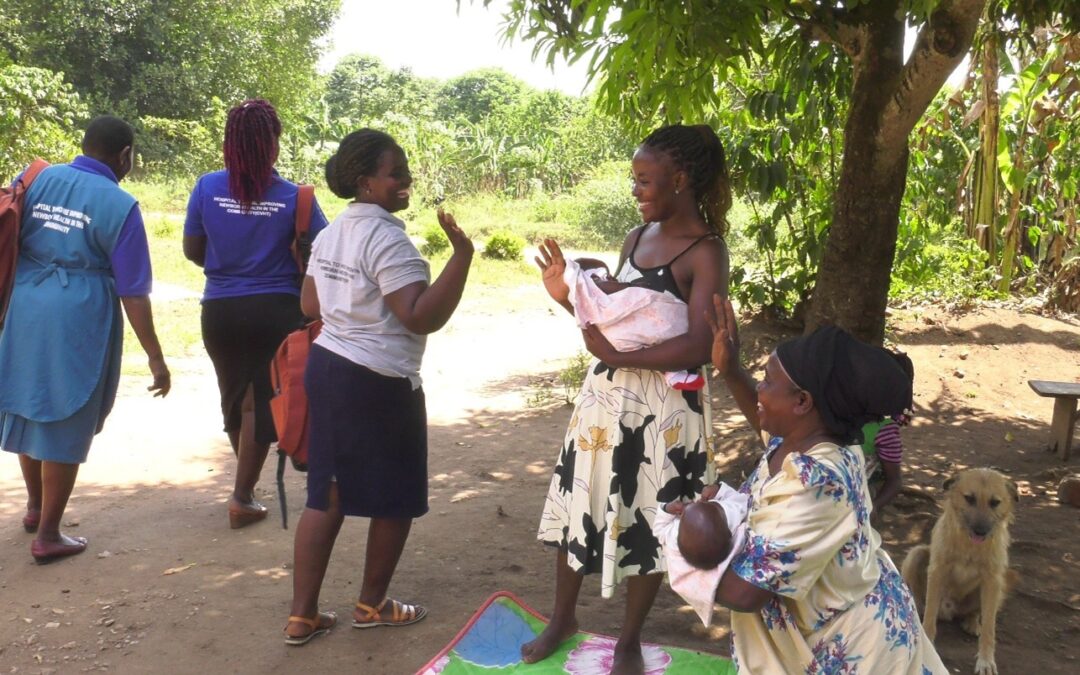
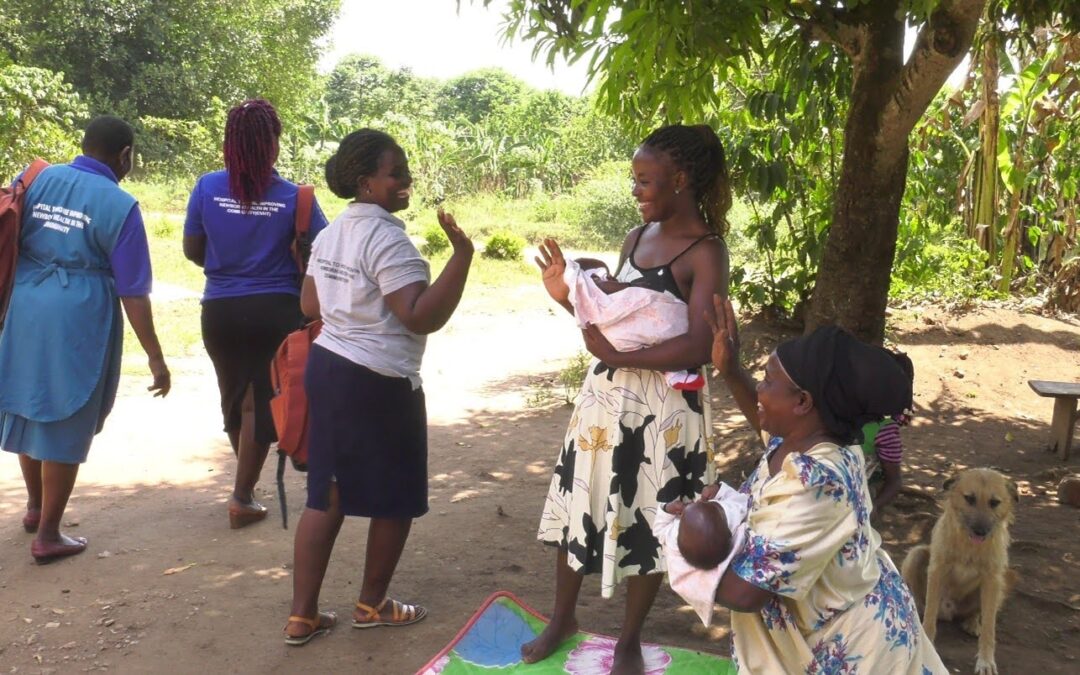
As the world marks World Breastfeeding Week, we reflect on a remarkable journey of innovation and partnership that is changing the future of newborn survival.
Across the country, efforts to strengthen breastfeeding support have continued to evolve, ensuring that even the smallest and most vulnerable babies have access to the nutrition they need to survive and thrive.
One of Uganda’s most groundbreaking milestones has been the establishment of the country’s first human milk bank at St. Francis Hospital Nsambya—an innovation that has transformed care for preterm,sickborn, low birth weight, and critically ill newborns.
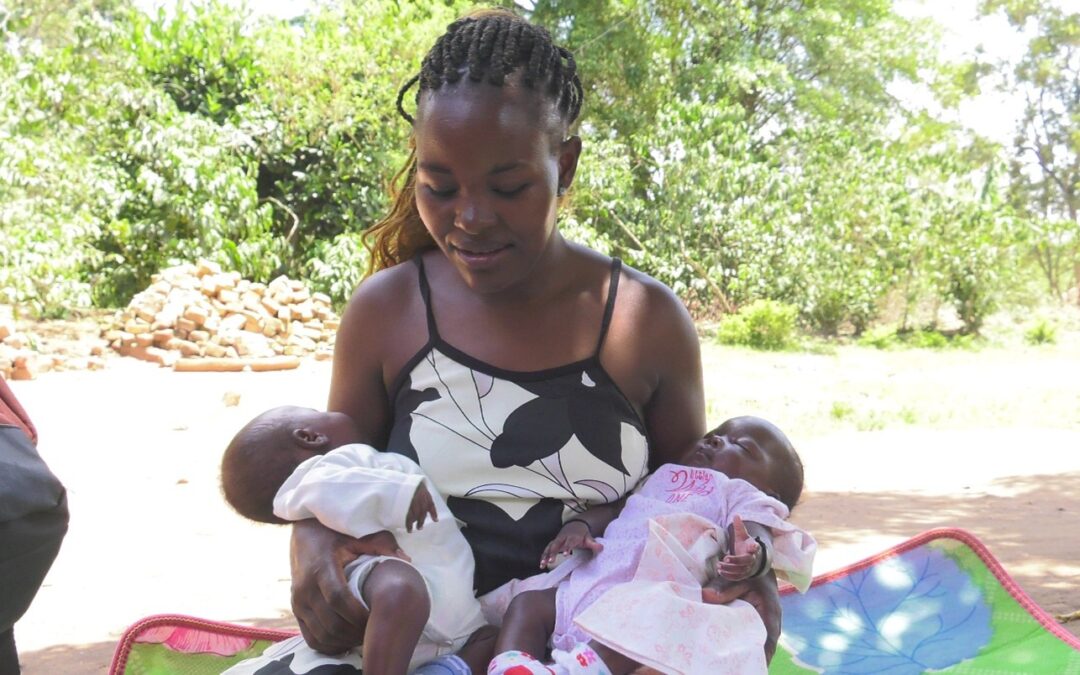
For years, many fragile newborns faced life-threatening challenges during their first days of life. While breast milk remains the best source of nutrition for newborns, some mothers of premature babies, mothers with multiple births, or those experiencing illness or other complications may struggle to provide enough milk when their babies need it most.
The introduction of human milk banking created a new pathway—ensuring that vulnerable newborns can receive safe donor human milk when their own mother’s milk is temporarily unavailable.
A Historic Milestone at Nsambya
In November 2021, Uganda launched its first-ever human milk bank at St. Francis Hospital Nsambya, becoming one of the pioneers of human milk banking in East Africa.
The milestone was achieved through collaboration among the Ministry of Health, St. Francis Hospital Nsambya, Makerere University Centre of Excellence for Maternal, Newborn and Child Health (MNCH Centre), ELMA Philanthropies, and other partners committed to improving newborn health outcomes in Uganda.
The journey, however, began long before the official launch. Earlier experiences with emergency milk sharing demonstrated the potential of donor human milk to save lives. Transforming these experiences into a formal healthcare service required building trust, strengthening systems, training healthcare workers, and helping communities understand the safety and importance of human milk banking.
From Donation to Delivery: Ensuring Every Drop Is Safe
Human milk banking follows strict safety procedures to protect newborns and maintain the highest standards of care.
Screening of milk donors
Potential donors are healthy breastfeeding mothers who have more milk than their own babies need. They undergo health assessments and screening to ensure their milk is safe for vulnerable newborns.
Processing and quality control
Collected milk is carefully stored, pasteurized, and tested in laboratories to ensure it meets safety standards before being provided to babies.
Respect and confidentiality
The process protects the dignity and privacy of both donors and recipient families, creating a supportive environment where mothers can contribute to saving newborn lives.
Transforming Newborn Survival in Uganda
The impact of human milk banking has been significant. For many premature and sick newborns, access to donor human milk provides critical nutrition during a period when they are most vulnerable.
The success of the Nsambya model has also encouraged wider discussions about expanding human milk support services across Uganda. Health facilities including Kawolo, Naguru Uganda-China Friendship Hospital, Mengo, and Rubaga have been part of efforts to strengthen newborn nutrition and explore broader adoption of human milk banking approaches.
Uganda’s human milk bank story shows what is possible when government, health facilities, researchers, communities, and development partners work together toward a shared goal.
To watch more about Human Breast Milk Banking; click; https://www.youtube.com/watch?v=t0TblVJlha8&t=349s